

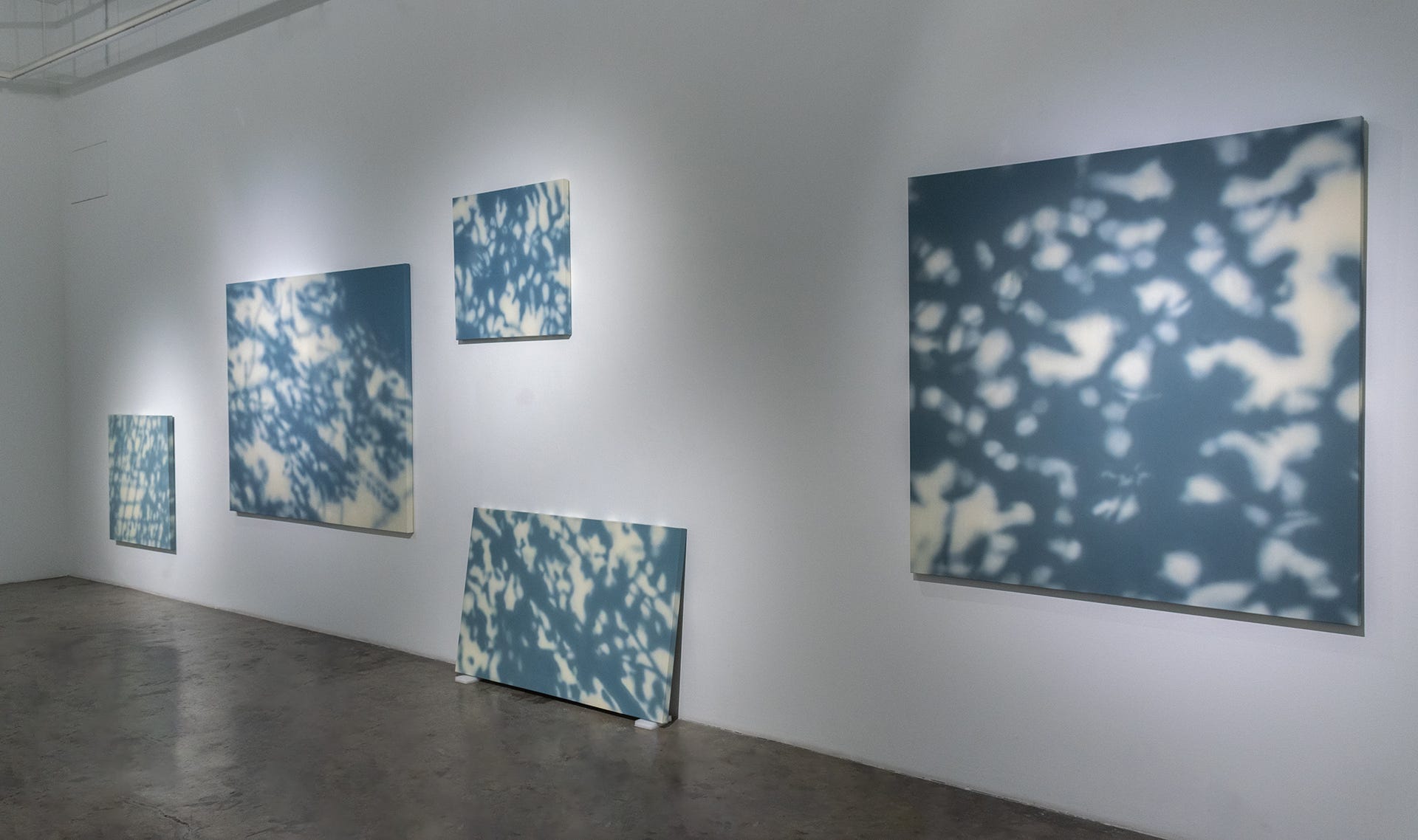
Earlier this week, I wrote about the thought that popped into my head while I was reading yet another terrifying, hyperbolic story about artificial intelligence:
I want to learn how to paint light before I die.
This is not a particularly convenient desire.
I already have creative practices. I already have work I care about that I don’t have enough time to do. I’m actively trying to redesign parts of my working life so I have more capacity, not less.
I do not need another hobby.
And yet, I spent $15 on an online painting class.
Not because I have decided to become a painter or because I think painting will make me a better writer or help me grow my business or unlock some hidden revenue stream.
I just want to know what it feels like to try to paint light.
I Want to Learn How to Paint Light Before I Die

If artificial intelligence is going to destroy human civilization, I’d at least like to learn how to paint light before I die, okay?
And this week, I want you to try your version of that.
The experiment
Think about something you’ve been wanting to try lately.
Not something you think you should learn, that would make you more employable or something you’ve calculated could become a side hustle.
Something you’re simply curious about.
Maybe you want to:
take a pottery class
learn three chords on a guitar
buy a cheap set of watercolors
make a tiny film
try embroidery
write a terrible poem
learn how to identify birds
make a collage
take photographs on your morning walk
learn one dance
bake something unnecessarily complicated
draw the same tree every day for a week
Pay attention especially to the thing that makes you immediately think:
That sounds fun, but I don’t have time for that right now.
That’s probably worth investigating.
Step 1: Find the impulse
Finish this sentence without thinking too hard:
I’ve been wanting to try ____________.
If nothing comes immediately, try:
Every time I see someone ____________, I think, “I want to do that.”
Or:
If I didn’t have to be good at it, I would try ____________.
Don’t evaluate the answer yet.
Just notice it.
Step 2: Make it ridiculously small
Now comes the important part.
Do not turn this into a project.
You do not need the best supplies. You do not need a twelve-week course. You do not need a studio. You do not need to research the optimal beginner setup for four hours on Reddit.
You definitely do not need to make a new Instagram account.
Find the smallest possible doorway into the thing.
I wanted to learn how to paint light. I did not enroll in art school. I spent $15 on an online class.
Your experiment might cost $15. It might cost $5. It might be free.
The amount isn’t really the point.
The point is to make the stakes so low that curiosity gets to make the decision instead of optimization.
Step 3: Give it three tries
One attempt can tell you whether you’re immediately good at something. It can’t tell you very much about whether you like doing it.
So give yourself three encounters with your experiment.
Three painting sessions. Three afternoons taking photographs. Three terrible songs. Three walks looking for birds.
Not thirty days. Not a year.
Three.
Then ask:
What happened to me while I was doing this?
Not: Am I talented?
Not: Could I monetize this?
Not: Was this a productive use of my time?
Try instead:
Did I become absorbed?
Did I notice things I usually miss?
Did I feel frustrated in an interesting way?
Did time move differently?
Did I want to keep going?
Did I think differently afterward?
Did I feel more like myself?
Step 4: Don’t make it useful
This might be the hardest part.
If you’re someone who has learned to make a living from your creativity, you’re probably very good at finding the usefulness in things.
I certainly am.
I can already construct an excellent argument for why learning to paint will improve my writing, strengthen my visual thinking, make me a better designer, increase my cognitive flexibility, and possibly help me recover from work.
All of that may even be true.
But usefulness isn’t the assignment.
The assignment is to notice what you’re drawn toward and practice trusting yourself enough to follow it.
You are allowed to spend $15 and three hours learning something that leads absolutely nowhere.
You are allowed to be mediocre at it, abandon it afterward, love it and never show anyone, discover that you hate it.
You are even allowed to accidentally become obsessed with it.
Your $15 Creative Experiment
So here’s your assignment for this weekend:
The thing I want to try: ____________
The smallest possible version: ____________
What I’m willing to spend: ____________
When I’ll try it the first time: ____________
For three tries, I will not ask whether this is useful. I will pay attention to: ____________
That’s it.
No outcome required. I’m going to try to paint light.
What are you going to try?
Hi, I’m Bowie 👋🏼
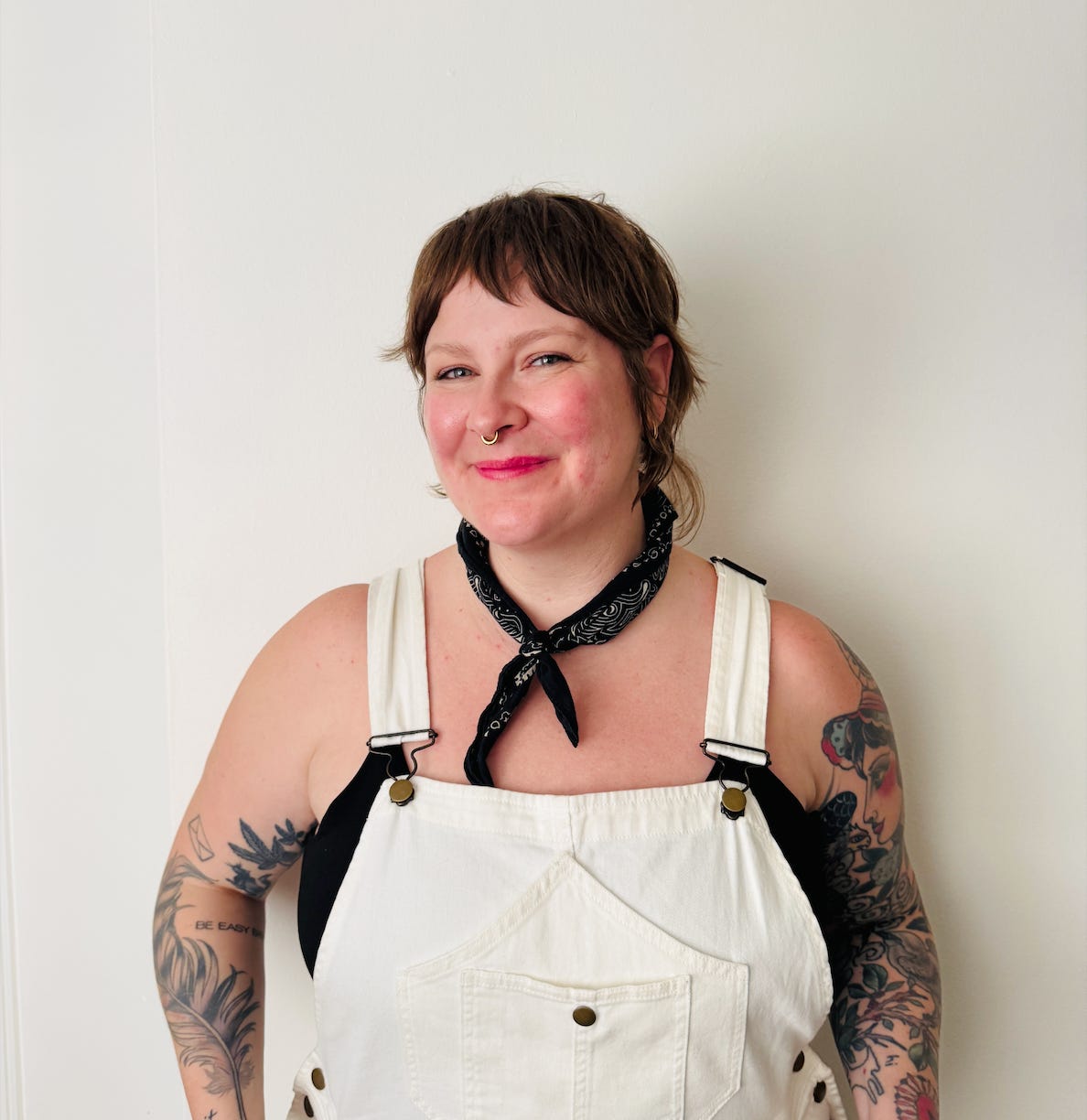
I write about creativity, relationships, psychology, reinvention, money — and how we stop surviving and start participating in our lives again.
If this essay resonated, consider subscribing. New essays arrive every Tuesday, with practical guides every Friday. I’m currently practicing taking the last week of the month off (sometimes more!) to rest since it’s an essential practice for sustaining my creativity.
Reply here or send me a message on Instagram @bowierowie if you’d like to learn more about the Creative Reset Studio or DO SOMETHING DIFFERENT: A Relationship Lab.